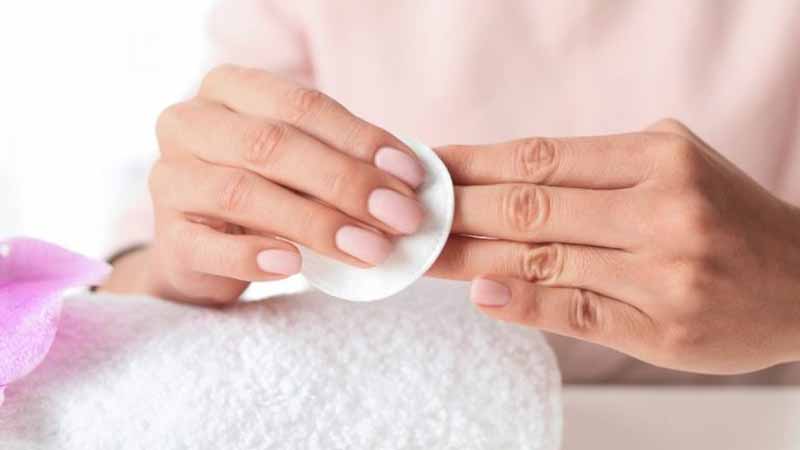
I remember the first time I tried to remove a stubborn dark polish. I scrubbed and scrubbed, but the pigment just wouldn’t budge. My nails ended up stained and my skin was raw. That experience taught me that removing nail polish is more than just wiping it off. It requires understanding the product, using the right materials, and treating your nails with care.
Here is everything I have learned about nail polish removal, from the science behind it to the steps that keep your nails healthy.
What Is Nail Polish Made Of?
Nail polish is a complex mixture of ingredients that work together to create a smooth, durable, and colourful coating.
Nitrocellulose. This is the primary film-forming agent. It creates a hard, durable film on the nail that holds the colour and provides shine. Nitrocellulose is also responsible for the polish’s ability to be removed with solvents.
Solvents. These are the liquids that keep the polish in a fluid state inside the bottle. When you apply polish, the solvents evaporate, allowing the film-forming ingredients to harden. Common solvents include ethyl acetate and butyl acetate.
Plasticisers. These add flexibility to the film, preventing it from becoming brittle and cracking. They ensure the polish moves with the natural nail.
Resins. These improve adhesion and hardness, helping the polish stick to the nail and resist chipping.
Pigments. These provide colour. Different pigments have different properties; some are more prone to staining than others.
Suspension agents. These prevent pigments from settling at the bottom of the bottle.
Materials You Will Need
Acetone or non-acetone remover. Acetone is a powerful solvent that dissolves nail polish quickly. Non-acetone removers are milder and less drying but take longer to work.
Cotton balls or pads. For applying the remover. Cotton is absorbent and disposable.
Aluminium foil. For the gel polish removal method. Foil traps heat and speeds up the dissolving process.
A wooden cuticle stick. For gently pushing off softened gel or stubborn polish. Wood is gentler on the nail plate than metal.
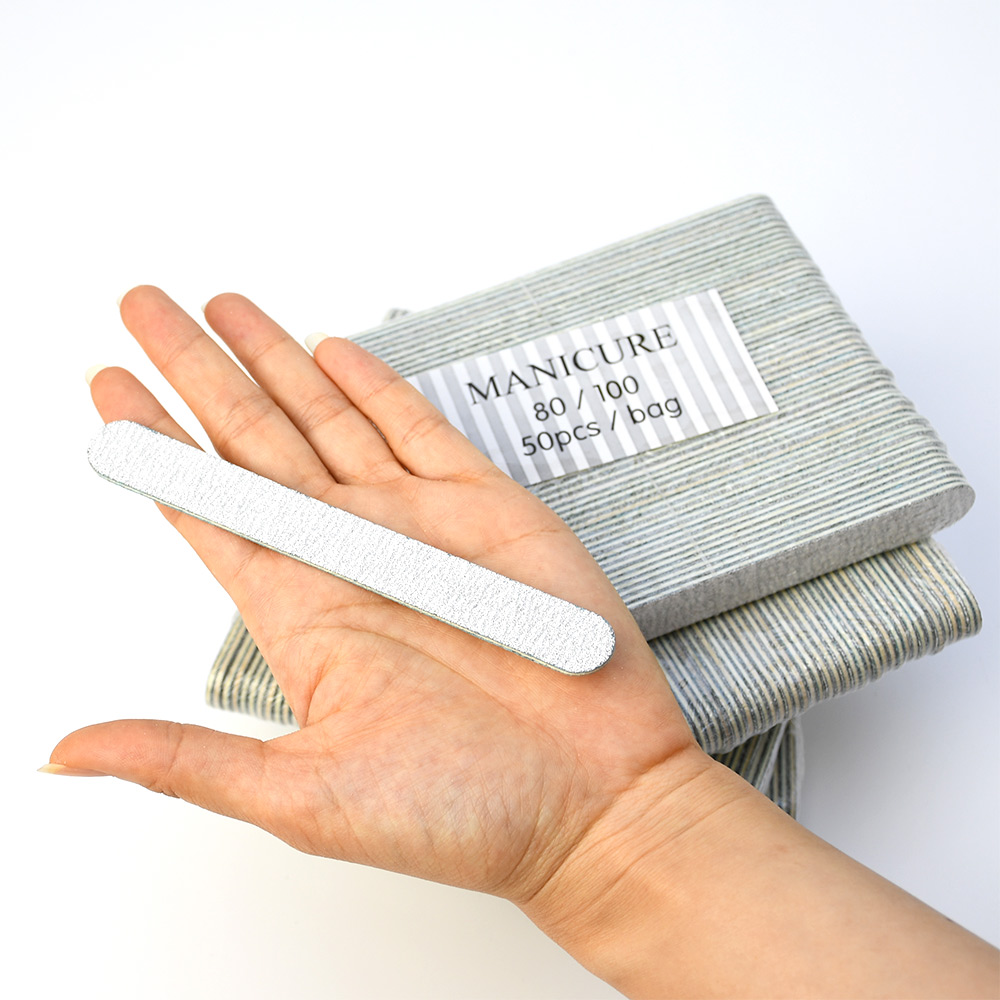
A nail file (optional). For gel polish removal, a file is needed to break the seal of the top coat.
Cuticle oil. Essential for hydrating the nails and surrounding skin after removal.
Hand cream. For moisturising the hands after removal.
Preparation Before Removal
Choose your remover. Acetone is fast and effective but drying. Non-acetone is gentler but slower. Choose based on your polish type and skin sensitivity.
Protect your workspace. Place a towel or paper towel on your work surface. Nail polish remover can stain surfaces.
Wash your hands. Remove any surface oils with soap and water. This helps the remover work more effectively.
Protect your skin. If using acetone, apply a thin layer of petroleum jelly around your nails to protect the surrounding skin.
How to Remove Nail Polish Step by Step
Regular Nail Polish
Step 1: Saturate a cotton pad. Apply enough remover to fully saturate the cotton pad. A dry pad creates friction and can damage the nail surface.
Step 2: Press and hold. Press the saturated pad against your nail and hold for 10-15 seconds. This allows the remover to dissolve the polish.
Step 3: Wipe gently. Wipe the polish away in one direction, from cuticle to tip. Do not scrub back and forth. Scrubbing damages the nail surface and can cause staining.
Step 4: Repeat if necessary. For stubborn polish, repeat the process. For glitter, use the foil wrap method below.
Gel Polish
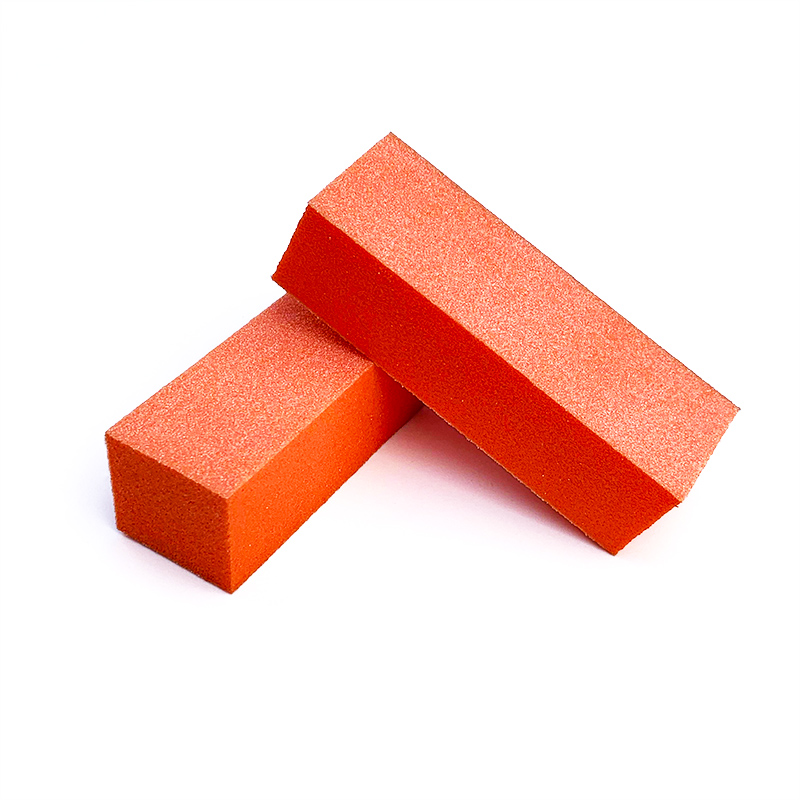
Step 1: File the top coat. Using a fine-grit nail buffer, gently buff the shiny top coat off each nail. This breaks the seal and allows the acetone to penetrate.
Step 2: Soak the cotton. Saturate a cotton ball with 100% pure acetone.
Step 3: Place and wrap. Place the cotton on your nail and wrap the fingertip tightly with aluminium foil. The foil holds the cotton in place and traps heat, speeding up the process.
Step 4: Wait. Leave the wraps on for 10-15 minutes. Do not peek—unwrapping early releases acetone vapour and slows the process.
Step 5: Gently push. Unwrap one finger. The gel should look soft and cracked. Using a wooden cuticle pusher, gently push the softened gel from the cuticle toward the free edge. If the gel resists, rewrap and wait another 5 minutes.
Step 6: Never scrape. If the gel does not come off, you have not waited long enough. Scraping damages the natural nail.
Does Nail Polish Remover Damage Natural Nails?
Nail polish remover itself is not damaging if used correctly, but improper use can harm your nails. Acetone is a strong solvent that strips natural oils from the nail plate, leading to dehydration and brittleness. However, this is temporary and reversible with proper care. Non-acetone removers are milder but often require more scrubbing, which can physically damage the nail surface. The greatest risk comes from mechanical damage—peeling, scrubbing, or scraping—rather than the remover itself.
Aftercare: Restoring Your Nails
Apply cuticle oil immediately. Acetone is drying. Apply cuticle oil to each nail and massage it in. This restores moisture and prevents brittleness.
Use a rich hand cream. Follow with a nourishing hand cream to hydrate the skin around your nails.
Give your nails a break. If you have just removed gel or acrylics, wait 24-48 hours before applying a new set. This allows the nail plate to rehydrate fully.
Keep nails short. Freshly exposed nails are more fragile. Keep them trimmed while they recover.
Use a nail strengthener. If your nails feel thin or weak, a keratin-based strengthener can provide temporary support.
Limit acetone use. For regular polish removal, use non-acetone remover to minimise drying.
The Bottom Line
Removing nail polish is a simple process, but it requires the right materials and technique. Acetone is fast and effective but drying; non-acetone is gentler but slower. The key to healthy nails is not just how you remove polish, but what you do afterward. Moisturise immediately, give your nails breaks, and treat them with care. With the right approach, your nails will stay strong, flexible, and beautiful.
Read also: Common Gel Manicure Mistakes Beginners Make and How to Avoid Them

One thought on “The Complete Guide to Nail Polish Removal: Composition, Methods, and Aftercare”